

明代和田玉玉斧佩:承古礼韵的文人随身独玉
发布时间:2026-07-15 来源:网络 作者:admin 【 字体:大 中 小 】
中华玉文化绵延数千年,玉斧雏形源自上古时期的礼器玉圭,历经商周、秦汉礼制演变,至明代演变为文人雅士专属随身佩玉,将仿古礼制底蕴与文人祈福情思相融。这件单件传世和田青白玉玉斧挂件,完整承袭明代仿古玉作正统审美范式,器型复刻上古玉斧简约轮廓,玉质温润清透,玉身天然沁纹层次柔和,单品制式贴合明代文人独玉随身、案头清赏的风尚,把上古礼器形制、明代成熟和田玉打磨工艺、辟邪纳福的吉祥文脉融为一体,在清雅温润的玉质肌理间,诉说着“斧承古礼、玉藏清欢、独佩修心”的明代仿古佩玉内核,是明代高端文人玉作的标准实物遗存,也是解读明代仿古佩玉文化难得的独立藏品。
Jade culture in China stretches for thousands of years. The original form of jade axe derived from jade gui, a ritual vessel of ancient times. After ritual evolution through Shang, Zhou, Qin and Han dynasties, it evolved into exclusive portable jade ornaments for literati in the Ming Dynasty, integrating the heritage of ancient rituals and literati’s longing for blessings. This single handed-down Hetian bluish white jade axe pendant fully inherits the orthodox aesthetic standards of archaizing jade craftsmanship of the Ming Dynasty. Its shape reproduces the simple outline of ancient jade axes, the jade is mild and translucent, and natural layered patina spreads softly on the jade body. The single-piece form conforms to the Ming literati custom of carrying single jade for daily wear and desk appreciation. It perfectly combines the shape of ancient ritual vessels, mature Hetian jade polishing techniques of the Ming Dynasty and auspicious culture of warding off evil and attracting fortune. Between the elegant and mild jade texture, it interprets the core spirit of Ming archaizing jade pendants: jade axes inherit ancient rituals, jade holds refined leisure, and single jade ornaments cultivate inner peace. It is a standard physical relic of high-grade literati jade works of the Ming Dynasty, as well as a rare independent collection for studying the culture of archaizing jade pendants in the Ming Dynasty.
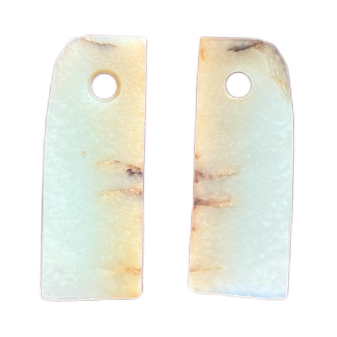
细观这件单件玉斧的玉料肌理、器型制式与打磨细节,器物完整留存明代仿古佩玉独有的正统工艺特征。整件挂件选用整块上等和田青白玉一体打磨成型,玉质细腻油润,底色泛柔和淡青柔光,玉身分布深浅不一的黄褐色天然沁痕,沁色顺着玉石原生肌理自然晕染延展,过渡温润浑然,是漫长岁月埋藏与人手摩挲形成的原生老沁,无人工染色、酸洗做旧、后期打磨修饰的痕迹,玉体干净通透,无绺裂杂瑕,整体品相完整端庄。器型严格遵循上古玉斧经典造型,上端斜收形成斧首,斧首居中钻制规整圆孔,孔壁打磨光滑圆润,便于穿绳随身佩戴,器身修长平直,底边打磨平整柔和,整体线条简约干净,摒弃繁复镂空与浮雕纹饰,契合明代中后期文人推崇的素雅仿古审美。作为单件独立藏品,器物整体比例匀称协调,通体采用明代标志性慢轮细磨工艺,所有边角都经反复柔化处理,玉表留存细腻质朴的手工打磨痕迹,尽显明代玉匠尊崇玉质本真、不尚浮华雕琢的创作理念。每一处规整穿孔、每一条流畅斧身轮廓、每一片自然温润沁斑,都沉淀着明代玉坊稳定纯熟的制玉功底,是考据明代单件仿古小型礼器佩饰工艺的核心实物依据。
When we closely observe the jade texture, vessel shape and polishing details of this single jade axe, the ware fully retains the unique orthodox craft characteristics of archaizing jade pendants of the Ming Dynasty. The entire pendant is polished integrally from a complete piece of top-grade Hetian bluish white jade, featuring delicate and oily texture with soft pale cyan luster. Yellowish brown natural patina of varying shades spreads naturally along the original grain of jade with mild and integrated transition. The aged patina was formed by long-term burial and human handling over years, without traces of artificial dyeing, acid aging or later polishing modification. The clean and transparent jade body is free of cracks and impurities, maintaining complete and dignified overall condition. The shape strictly follows the classic outline of ancient jade axes: the top tapers diagonally to form the axe head, with a neat round hole drilled in the center of the axe head, smoothly polished inner wall for threading cords. The slender and straight body has a flat and soft bottom edge, with simple and clean lines that abandon complicated hollow carving and relief decoration, matching the plain archaizing aesthetic favored by literati in the mid-to-late Ming Dynasty. As an independent single collection, the ware boasts well-proportioned overall shape. The whole body adopts the iconic slow-wheel fine polishing craft of the Ming Dynasty, all edges are repeatedly softened, and delicate primitive hand-polished traces remain on the jade surface, fully reflecting the creation philosophy of Ming jade craftsmen who valued the natural beauty of jade over flashy carving. Every neat perforation, every smooth axe outline and every patch of mild natural patina embodies the stable and mature jade-making skills of folk jade workshops in the Ming Dynasty, serving as core physical evidence for researching the craft of single small archaizing ritual jade pendants of the Ming Dynasty.
从雕琢形制与人文吉祥内涵来看,这件单件玉斧承载着“仿古器型为骨,明代文人玉文化为魂”的深层创作内核。明代举国崇古之风盛行,上至宫廷皇室,下至文人士大夫,皆热衷于收藏、佩戴仿古玉器,玉斧作为上古象征威仪、镇宅护身的传统礼器,被简化重塑为随身佩饰,褪去朝堂祭祀厚重的礼制属性,转变为文人私人随身赏玩、祈福护身的清雅器物。在汉语语境中,“斧”与“福”读音相通,自古便承载携福纳祥、驱邪挡煞的美好寓意,单件独佩更暗含平安顺遂、独守本心的君子期许;通体素面无纹的设计,意在凸显和田玉石本身内敛温润的天然质感,高度契合明代文人淡泊宁静、崇尚质朴简约的精神追求。整件器物从原石开料、轮廓修磨、钻孔到柔光抛光全部依靠手工完成,整套工序简练却处处彰显匠人深厚功底,素面形制对玉料纯净度与打磨工艺有着极高要求。明代文人常将此类单件玉斧系于腰间,或是悬挂于书斋案前,日常随身佩戴以求福运护身,闲暇时取来细细赏玩,将上古礼器的历史文脉、民间流传的吉祥寓意与文人独有的清赏情趣融为一体,完整映照明代社会自上而下盛行的尚玉、仿古、藏玉的时代风气。
In terms of carving shape and humanistic auspicious connotation, this single jade axe carries the profound creative core of archaizing vessel shapes as the foundation and literati jade culture of the Ming Dynasty as the soul. The fashion of revering antiquity prevailed throughout the Ming
Dynasty. Both imperial royals and scholar-officials loved collecting and wearing archaizing jade wares. As a traditional ancient ritual vessel symbolizing dignity, household protection and warding off evil, the jade axe was simplified and reshaped into portable ornaments. It shed the heavy ritual attributes of court sacrifices and became elegant personal ornaments for literati’s private appreciation and blessing. In Chinese language, the word "axe" shares the same pronunciation as "blessing", so it has long carried the beautiful meaning of bringing fortune and repelling misfortune. Wearing a single piece alone further implies smooth life and gentlemen’s perseverance in inner peace. The plain unadorned design aims to highlight the restrained and mild natural texture of Hetian jade, which highly matches the indifferent, quiet, simple spiritual pursuit of literati in the Ming Dynasty. Every procedure of the whole ware, from raw stone cutting, outline grinding and drilling to soft polishing, was completed manually. The concise procedures still fully show craftsmen’s profound skills, and the plain shape places extremely high demands on jade purity and polishing craftsmanship. Literati in the Ming Dynasty often wore such single jade axes on their waists or hung them in studies. They wore them daily to attract blessings and ward off misfortune, and appreciated them in leisure time. It integrates the historical heritage of ancient ritual vessels, folk auspicious meanings and unique refined tastes of literati, fully reflecting the widespread custom of jade worship, antiquity reverence and jade collection across all social classes of the Ming Dynasty.
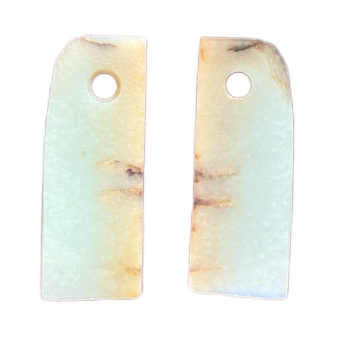
立足于历史积淀与收藏价值层面,这件单件明代和田玉玉斧佩是明代仿古文人佩玉珍贵的实物缩影。作为明代典型素面仿古随身玉饰,本品凭借纯正和田青白玉原料、标准仿古玉斧器型、天然原生传世沁色、单件完整无残的保存品相,稳居明清仿古玉收藏门类中的优质珍品序列,具备无可复刻的明代仿古玉审美史料价值、传统手工制玉工艺研究价值与单件传世藏品稳定的典藏保值价值。玉质纯净无绺裂、原生沁色完整、未经拆分配套的明代素面仿古玉斧存世数量稀少,市面流通多见零散残件或是成套器物,保存完好的独立单件真品实属难得。这件玉斧早已超脱单纯随身配饰的基础功用,成为串联上古礼器发展源流、明代全民仿古藏玉风潮、文人素玉审美体系的核心文化载体,为玉器史学、明代物质文化、古代文人生活研究提供不可替代的一手实物史料。静静端详这件独玉玉斧,淡青玉身晕染柔和天然沁纹,通体素净简约的器型完整展露和田玉温润内敛的本真气韵,观者得以透过质朴古朴的器物轮廓回望明代举国尚古、君子比德于玉的时代风貌,读懂玉器从古代朝堂重器转变为文人清赏雅物的完整演变脉络,感受明代素面仿古玉独有的返璞归真、清雅沉静的独特艺术魅力,是极具长久收藏意义的明代传世古玉珍品。
From the perspective of historical accumulation and collection value, this single Ming Hetian jade axe pendant is a precious physical miniature of archaizing literati jade pendants of the Ming Dynasty. As a typical plain archaizing portable jade ornament of the Ming Dynasty, this treasure ranks among high-quality rarities in the collection category of Ming and Qing archaizing jade for its pure Hetian bluish white jade raw material, standard archaizing jade axe shape, natural original handed-down patina and intact undamaged single-piece condition. It possesses irreproducible historical research value for Ming archaizing jade aesthetics, research value of traditional hand-made jade craftsmanship and stable collection and preservation value as a single handed-down ware. Plain archaizing jade axes of the Ming Dynasty with crack-free pure jade, intact original patina and unseparated single form are rare in existence. Most circulated pieces on the market are scattered fragments or matched sets, so well-preserved genuine single pieces are hard to acquire. This jade axe has long transcended the basic function of portable ornaments, evolving into a core cultural carrier connecting the origin of ancient ritual vessels, the nationwide antiquity-revering jade collection trend of the Ming Dynasty and the plain jade aesthetic system of literati. It provides irreplaceable first-hand physical data for the research of jade history, material culture of the Ming Dynasty and ancient literati’s life. When we quietly appreciate this single jade axe, soft natural patina spreads over the pale cyan jade body, and the plain and simple shape fully reveals the restrained and mild natural charm of Hetian jade. Viewers can look back at the era of nationwide antiquity worship and the ancient belief that gentlemen compare virtue to jade through the primitive vessel outline, understand the complete evolution of jade wares from solemn court ritual vessels to refined ornaments for literati appreciation, and experience the unique simple, quiet and elegant artistic charm of plain archaizing jade from the Ming Dynasty. It is a precious handed-down ancient jade ware of the Ming Dynasty with great long-term collection significance.

猜你喜欢

宿松县城乡供水一体化项目举行通水仪式
 166
2026年奶茶店餐饮店咖啡店商用大流量直饮净水器品牌新款推荐
154 质量保证措施
64 中国人寿财险河南省分公司组织观看励志影片活动
168 中国人寿财险郑州市中心支公司|亮相“郑州电子商务大讲堂”共谋外贸高质量
164 第十届健康商品交易大会(2025西鼎会)时间定档!盘活存量,创造增量,引领
68 产销两旺,新能源汽车半年新增17.9万家
123 和田玉龙鱼摆件
99 丝路千年·奔跑敦煌——2025敦煌半程马拉松再续华章
149 破解企业痛点!康达瑞如何打通“销售+金融”双路径?
193 



