

精品推荐 —— 清早期翡翠笔筒
发布时间:2026-08-20 来源:网络 作者:adminf 【 字体:大 中 小 】
Premium Recommendation — Early‑Qing Period Jadeite Brush Pot
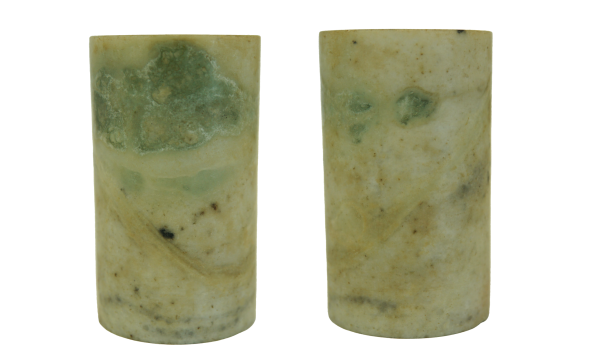
* 本次藏品:清早期翡翠笔筒*
典藏尺寸:高:10.2cm 口径:6cm 厚:1cm
华夏文脉源远流长,笔墨书香沉淀千年。在中国古代文人的书斋之中,除却笔墨纸砚四大核心文房重器,笔筒作为收纳毛笔、装点案头的雅玩,早已成为文人精神世界的具象载体。一方小小的笔筒,承载着主人的审美意趣、文人风骨,更是时代工艺与玉石文化交融的见证,这件清早期翡翠笔筒,便是历经数百年岁月洗礼,留存至今不可多得的文房珍品。
纵观笔筒的发展历史,笔筒兴起于明清两代。在此之前,古人存放毛笔多用笔架、笔床,直至明朝中后期,圆筒状的笔筒才开始盛行,到了清代,文房赏玩之风达到鼎盛。上至皇室宫廷、达官显贵,下至江南文人墨客,无不热衷于搜罗材质上乘、做工考究的笔筒置于案头。笔筒的选材包罗万象,瓷质、木质、竹雕、紫砂、铜器比比皆是,而玉石类笔筒,因玉石开采艰难、雕琢损耗极大,造价高昂,历来便是上层权贵专属的文房重器。
翡翠,古称 “翠玉”,自明末清初之时,从缅甸传入中原大地,很快便以独有的温润质地、灵动鲜活的翠色,俘获了清代皇室贵族的青睐。清早期是翡翠文化发展的重要萌芽阶段,彼时翡翠尚属于珍稀罕见的外来玉料,远不如和田玉普及,能够选取大块翡翠原石,掏空雕琢制成笔筒,绝非普通人家可以负担。翡翠原石硬度高、脆性大,笔筒又是中空器型,雕刻过程中极容易出现开裂损毁,十料九废,成品率极低。也正因如此,存世的清代翡翠笔筒数量稀少,每一件流传下来的实物,都具备极高的历史价值、艺术价值与收藏价值。
这件清早期翡翠笔筒器型规整匀称,呈标准直筒圆筒形制。整体造型简约大气,没有繁复花哨的雕刻纹饰,属于素面笔筒。古人云 “大音希声,大象无形”,素面玉器最考验玉石本身的质地,不靠雕工遮掩玉料瑕疵,完全以玉石本身天然的肌理与色泽取胜,这恰恰是清代早期文人审美的鲜明体现。相较于清中后期繁缛华丽、满工雕刻的器物,清初受晚明文人审美余韵的影响,崇尚素雅内敛、返璞归真的美学格调。书斋器物讲究简约沉静,素面笔筒,少了雕琢的喧嚣,多了一份宁静悠远,与文人读书治学,沉心自省的心境完美契合。
细观笔筒外壁,玉石基底底色呈温润的米黄沁色,岁月留下的包浆厚重古朴。玉料之上天然飘洒着数团鲜活灵动的翠绿色斑块,翠色浓淡层次分明,或聚或散,自然晕染于玉体之上,宛若青山隐于云雾之间,浑然天成,毫无人工雕琢之感。玉石表面可见自然形成的石纹肌理,还有历经数百年传世留下的细小沁斑,这些痕迹不是器物的缺憾,恰恰是时光馈赠给古物独有的岁月印记。漫长的时光里,这件笔筒被一代代文人捧于掌心,置于案头,人间烟火慢慢沁入玉石肌理,造就了如今醇厚柔和的传世包浆,触手温润,古韵扑面而来。
The Chinese cultural heritage stretches back through the ages, with the fragrance of ink‑and‑brush scholarship having settled for over a millennium. In the studies of ancient Chinese literati, besides the four core stationery treasures — the writing‑brush, ink‑stick, paper and ink‑stone — the brush pot, an elegant artifact for storing brushes and adorning desks, has long served as a tangible carrier of scholars’ inner‑spiritual world. A modest‑sized brush‑pot embodies its owner’s aesthetic taste and scholarly integrity, while bearing witness to the integration of period craftsmanship and jade culture. This early‑Qing‑Dynasty jadeite brush‑pot stands as a rare stationery treasure that has survived centuries of vicissitudes.
Looking back on the history of brush‑pots, this vessel gained popularity during the Ming and Qing dynasties. Before that, ancient Chinese scholars mostly stored writing‑brushes on brush‑rests or brush‑stands. It was not until the mid‑to‑late Ming period that cylindrical brush‑pots rose to prominence. By the Qing Dynasty, the fashion for collecting study ornaments reached its peak. From imperial courts and high‑ranking nobles down to literati in the regions south of the Yangtze River, enthusiasts vied to acquire finely‑crafted, premium‑material brush‑pots for their desks. Brush‑pots were fashioned from a wide range of materials: porcelain, timber, carved bamboo, purple‑clay pottery and copper were commonplace. Jade‑made brush‑pots, however, were reserved exclusively for the elite, owing to arduous jade mining, massive material loss during carving and exorbitant production costs.
Jadeite, historically known as “cui‑yu”, was introduced into China’s heartland from Myanmar around the turn of the Ming‑Qing transition. It soon won deep favour among Qing‑Dynasty imperial nobility for its distinctive mild texture and vivid, lively green hues. The early‑Qing era marked the embryonic stage of jadeite culture. At that time, jadeite remained an extremely rare imported gemstone, far less widespread than nephrite. Sourcing a large block of rough jadeite and hollowing it into a brush‑pot was well beyond the financial reach of ordinary households. Jadeite features high hardness and considerable brittleness, and the hollow structure of a brush‑pot rendered it highly prone to cracking during carving, with most raw stones spoiled in the process. Consequently, very few Qing‑Dynasty jadeite brush‑pots have survived to the present day. Every extant specimen carries immense historical, artistic and collectible value.
This early‑Qing‑Dynasty jadeite brush‑pot boasts a well‑proportioned, standard straight‑cylindrical form. Executed as a plain‑surface vessel, it presents a simple, grand silhouette free from ornate, over‑elaborate carved decorations. As an ancient proverb puts it, “The greatest sound is faint; the greatest form is invisible”. Plain‑surfaced jadeware puts the inherent quality of jade to the supreme test. Rather than concealing material flaws with intricate carvings, its appeal derives entirely from the stone’s natural texture and colouration. This aesthetic preference perfectly reflects the taste of early‑Qing literati. Unlike the heavily‑ornamented, luxuriant artifacts of the mid‑to‑late Qing Dynasty, early‑Qing craftsmanship inherited the aesthetic legacy of late‑Ming scholars, advocating simplicity, restraint and a return to nature. Implements for the study were meant to exude quiet composure. Uncarved brush‑pots, freed from the bustle of decorative workmanship, evoke a serene, far‑reaching ambience, harmonising perfectly with the contemplative mood of scholars immersed in study and self‑reflection.
Upon close observation of its outer wall, the jade body carries warm beige‑yellow patina stains, its surface coated with a thick, time‑honoured patina. Scattered across the stone are several vivid patches of emerald‑green. The green pigment varies distinctly in tone, gathering and dispersing organically across the jade, much like green mountains veiled in mist. The colouration is completely natural, showing no trace of artificial modification. Visible across the surface are natural stone veins and tiny aged stains accumulated over centuries of transmission. Far from being imperfections, these marks are unique temporal imprints bestowed by time. For generations, this brush‑pot was held in scholars’ palms and placed upon their desks. The breath of daily life has gradually permeated its crystalline structure, forming its mellow, well‑worn patina. To touch its smooth surface is to feel the warm aura of antiquity rising forth.
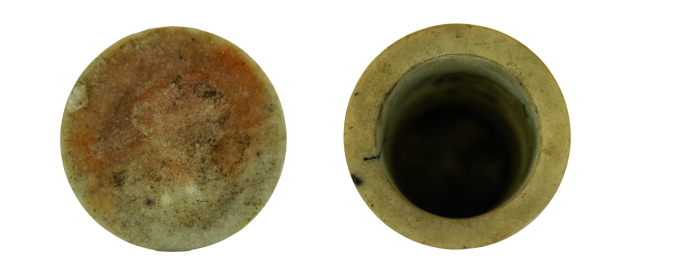
* 本次藏品:清早期翡翠笔筒*
典藏尺寸:高:10.2cm 口径:6cm 厚:1cm
这件清早期翡翠笔筒底部,平整圆实的筒底带着老旧土沁形成的红褐色晕斑,色泽深浅交错,自然过渡,是长期存放氧化形成的岁月痕迹。筒口打磨圆润顺滑,筒壁掏空厚薄均匀,内壁打磨规整,从内部可以看见玉石通透的肌理。在加工工具落后的清代早期,匠人需要耗费大量时间与精力,小心翼翼将厚实的翡翠原石内部掏空,还要保证筒壁厚薄均匀、器身不裂,每一道工序都十分考验玉雕师傅的功力。没有现代电动打磨设备,全凭陀机与解玉砂一点点磋磨成型,一凿一磨皆是匠心,这份精工细作,跨越百年依旧清晰可感。
在清代早期的书斋场景之中,这样一方翡翠笔筒,便是文人案头不可或缺的风景。晨光熹微之时,文人铺开宣纸,提笔挥毫,写完诗文便将毛笔轻轻归置于笔筒之内。伏案读书倦了,抬眼便能望见案头这一抹翠色,温润的玉石能够抚平心中浮躁。古人赏玉,重德重韵,孔子曾提出玉有十一德,将玉石的品性与君子的德行相互对标。翡翠质地坚韧内敛,翠色沉静悠远,正象征着文人淡泊名利、坚守本心、温润谦和的君子品格。所以文人选择玉石笔筒相伴书桌,不仅仅是一件实用文具,更是以玉明志,时刻警醒自己修身立德。
从收藏维度来看,这件藏品有着多重稀缺优势。首先便是年代稀缺,清早期翡翠器物本就存世不多。翡翠在清早期尚未进入开采高峰期,大料更是一料难求。笔筒属于 “重器”,需要一块体积不小的完整原石,相比玉佩、手镯这类小件饰品,翡翠笔筒耗材量大,制作风险高,本就产量稀少;再经过数百年世事变迁、战乱动荡,能够完好无损流传到今天,更是实属难得。
其次,素面器型有着极高的艺术价值。很多收藏爱好者一味追捧雕刻繁复的玉器,却忽略了素面古玉的魅力。玉器行内素有 “好玉不琢” 的说法,只有玉质上乘的料子,工匠才会选择保留玉石天然本色,不加以纹饰雕刻,最大限度展现玉石本身的自然美感。这件笔筒以天然翠色为纹饰,山水意境自生,恰恰体现了中国传统美学中 “天人合一” 至高境界。
再者,它的文房属性赋予了深厚的文化附加值。文房器物是中华文脉的实物载体,相比陈设摆件,笔筒自带浓厚的书香气息,有着鲜活的人文故事底蕴。近些年,古玩艺术品收藏市场当中,明清文房雅器一直是资深藏家追捧的热门板块,玉石类文房器物更是稳步升值,兼具观赏把玩、历史研究、资产保值多重属性,无论是放在书房陈设赏玩,还是作为长线藏品收藏投资,都具备广阔的发展前景。
这件清早期翡翠笔筒,集珍稀材质、古朴器型、百年岁月、深厚文脉于一身,是一件不可多得的传世文房瑰宝。世间美玉千千万,可带着清初文人书香记忆的翡翠笔筒却再难寻觅。它不止是一件可供赏玩的古董藏品,更是一份流淌在玉石之中,永不褪色的华夏文脉,静待有缘之人珍藏守护,让这份翠韵书香,代代相传。
The base of this Early‑Qing‑Dynasty jadeite brush pot is flat and solid, marked with russet‑brown halo‑shaped stains from ancient earth penetration. Its hues interweave light and dark shades with seamless natural transitions, traces left by oxidation after centuries‑long storage. The rim has been polished round and smooth. The hollow‑carved wall maintains uniform thickness, and its inner surface is neatly finished, revealing the translucent texture of jade from within. In the early Qing Dynasty, when processing tools were primitive, craftsmen devoted immense time and effort to carefully hollowing out the thick jadeite rough stone. They also needed to ensure consistent wall‑thickness and prevent cracking throughout the vessel. Every single procedure put the jade carver’s skill to the test. Devoid of modern electric grinding equipment, artisans shaped the piece bit by bit using lathes and abrasive jade sand. Every chisel‑stroke and grind embodies meticulous craftsmanship, whose fine workmanship remains distinctly tangible across hundreds of years.
In a scholar’s study of early‑Qing times, a jadeite brush‑pot like this was an indispensable desk ornament. At the break of dawn, the literati would spread out rice paper and write with vigorous brush‑strokes, then gently rest their writing brushes inside the pot after finishing poems and essays. Weary from long‑hours of reading, they could lift their eyes and behold the streak of emerald green on the desk, whose soothing jade texture calmed restlessness of the mind. Ancient Chinese scholars appreciated jade for its moral virtue and elegant charm. Confucius once put forward the Eleven Virtues of Jade, drawing parallels between jade’s natural properties and the noble conduct of gentlemen. Tough and restrained in texture, with deep‑reaching tranquil green tones, jadeite symbolizes the scholar‑official’s noble character: indifference to fame and fortune, loyalty to inner principles, gentleness and modesty. Therefore, keeping a jade brush‑pot on the desk was far more than having a functional stationery item. It served as a jade‑made oath to remind its owner constantly to cultivate moral integrity.
From a collector’s perspective, this artifact boasts multiple rare merits. First of all, it carries great rarity of age. Surviving jadeite artifacts dating back to the early‑Qing period are extremely scarce. Large‑scale jadeite mining had not yet begun in that era, and sizable rough blocks were exceedingly hard to source. Classified as a substantial heavy‑weight artifact, a brush‑pot requires an intact large block of raw jadeite. Compared with small ornaments such as jade pendants and bracelets, jadeite brush‑pots consume far more raw material and carry high production risks, leading to low original output. Having weathered centuries‑long social shifts and warfare, its complete, undamaged survival to the present day is truly exceptional.
Secondly, its plain‑surface form holds extraordinary artistic value. Many collectors blindly chase elaborately carved jade artifacts yet overlook the timeless charm of unadorned ancient jade. A well‑known saying in the jade trade goes, “Fine jade needs no carving”. Only premium‑quality jade would be left uncarved without decorative patterns, so as to display its natural beauty to the fullest. This brush‑pot derives its decorative effect from naturally‑formed emerald patches, spontaneously evoking a landscape‑like artistic conception and embodying the supreme aesthetic ideal of “Harmony between Man and Nature” in traditional Chinese art.
Furthermore, its stationery identity endows it with profound cultural added‑value. Study utensils are tangible carriers of China’s literary heritage. Unlike pure decorative ornaments, brush‑pots carry strong scholarly vibes and living humanistic stories. Within the antique‑art market in recent years, elegant Ming‑Qing study artifacts have remained highly sought‑after by seasoned collectors, with jade stationery enjoying steady value appreciation. Such pieces integrate ornamental enjoyment, historical research and wealth‑preservation functions. Whether displayed in a study for appreciation or collected as a long‑term investment, this brush‑pot promises broad prospects.
Combining rare raw material, antique shape, centuries‑old patina and profound literary heritage, this Early‑Qing‑Dynasty jadeite brush‑pot stands as a rare, time‑honoured treasure of scholar’s accessories. Countless fine jades exist across the world, yet few jadeite brush‑pots preserve the scholarly memories of early‑Qing literati. More than a collectible antique for appreciation, it represents the everlasting Chinese cultural lineage flowing deep within the jade. It awaits a destined collector to cherish and safeguard it, so that the elegant charm of emerald jade and scholarly fragrance may be passed down from generation to generation.
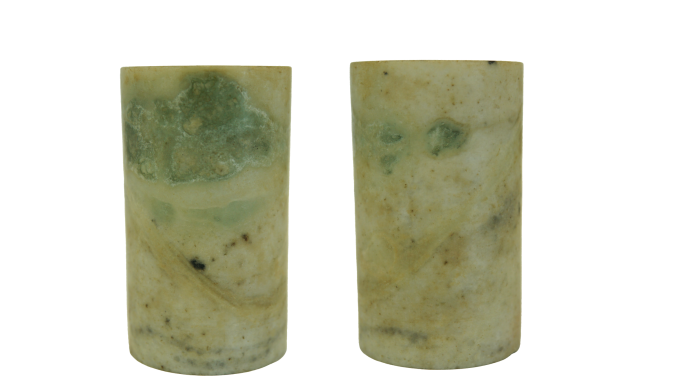
* 本次藏品:清早期翡翠笔筒*
典藏尺寸:高:10.2cm 口径:6cm 厚:1cm
以上藏品相关信息请与四川极蕴拍卖有限公司联系,我们将为您提供一对一专业服务。
For more information about this collection, please contact Sichuan Jiyun Auction Co., Ltd. We will provide you with one-on-one professional service.

猜你喜欢

1906年法属印度支那贸易银圆
 72
“百年工运路 奋进新征程”中国人寿财险河南省分公司|八段锦展演比赛
69 一个县城一年1万个任务,值多少钱?算完你就懂了
146 娄底市李子湾珠梅土鸡店重装盛大开业
170 江浙沪水下无人机采购 潜鲛P200 PRO官方正品授权
57 深耕财税服务数十载 专业笃行助力企业发展 ——记杭州和行达税务师事务所有
149 多阵地开展征信宣传,织密社会信用守护网
158 2026西安痛风医院排名推荐:西安附医中医医院痛风诊疗中心(专科实力详解)
183 多地细化人身险“双录”规则,现存保险相关企业超55万家
66 平安产险滨海支公司:积极开展消防宣传月活动
50 






精品推荐 —— 红珊瑚108念珠

精品推荐 —— 第四套人民币拾圆错版
精品推荐 —— 角质手串/吊坠一组四件
白酒小白第一次喝清香型选哪款?2026年百元价位品质入门指南
