

精品推荐 —— 大清铜币
发布时间:2026-03-30 来源:网络 作者:adminf 【 字体:大 中 小 】
Premium Recommendation - Great Qing Copper Coin
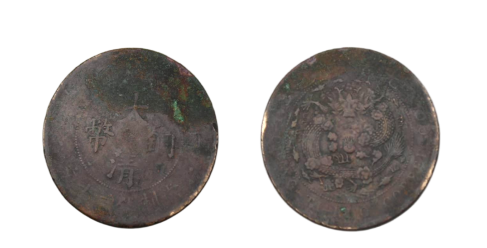
*本次藏品:大清铜币*
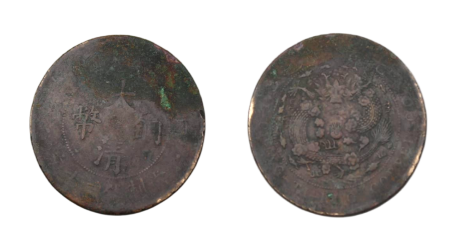
典藏尺寸:重:10.5g 直径:33.3mm
大清铜币,学名清代机制铜圆,是中国近代货币史上从传统方孔制钱向机器铸币过渡的核心载体,其诞生与晚清的财政危机、币制革新紧密相连。19 世纪末,清王朝内忧外患加剧,传统方孔制钱因铸造效率低下、成色混乱、私铸泛滥而逐渐崩溃,同时外国银元与铜元大量涌入中国,冲击着本土货币体系。光绪二十六年(1900 年),广东率先引入西方机器铸造 “光绪元宝” 铜元,凭借形制规整、便于流通的优势迅速推广,各省纷纷效仿,却也导致币制更加混乱。为挽救金融秩序、收回铸币主权,光绪三十一年(1905 年),清政府颁布《整顿圜法章程》,下令在天津设立户部造币总厂,统一铸造新式铜元 “大清铜币”,并逐步取代各省自铸的光绪元宝,开启了中国货币标准化的近代化进程。
Da Qing copper coin, scientifically known as the Qing Dynasty machine-minted copper dollar, is a core medium in the modern history of Chinese currency, marking the transition from traditional square-holed cash coins to machine-struck coins. Its birth is closely linked to the fiscal crisis and monetary reform of the late Qing Dynasty. At the end of the 19th century, internal and external crises intensified for the Qing Dynasty. Traditional square-holed cash coins gradually collapsed due to low minting efficiency, inconsistent fineness, and rampant private minting. At the same time, foreign silver and copper coins flooded into China, impacting the domestic currency system. In the 26th year of Emperor Guangxu's reign (1900), Guangdong first introduced the Western machine-minted 'Guangxu Yuanbao' copper coins, which were rapidly promoted due to their standardized design and ease of circulation. Other provinces followed suit, but this also led to greater monetary confusion. To restore financial order and regain minting sovereignty, in the 31st year of Guangxu's reign (1905), the Qing government issued the 'Regulations for the Rectification of Currency,' ordering the establishment of the Ministry of Revenue Mint in Tianjin to uniformly produce the new-style copper coins 'Da Qing Copper Coin,' gradually replacing the provincially minted Guangxu Yuanbao, and initiating the modernization of China's currency standardization process.
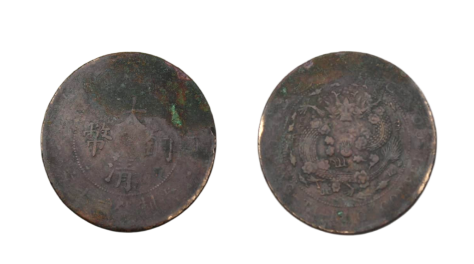
*本次藏品:大清铜币*
典藏尺寸:重:10.5g 直径:33.3mm
核心文字:珠圈内镌刻楷书 “大清铜币” 四字,字体端庄遒劲,彰显王朝正统性;中央嵌入阴文小字,代表铸造省份,如 “鄂”(湖北)、“直”(直隶)、“川滇”(四川云南合铸)等,这是区分版别与铸造地的核心标识。
边缘布局:珠圈外上环为满文 “大清铜币” 字样,两侧标注铸造年份(如丙午、丁未、己酉等干支纪年),左右分列 “户部”(后改为 “度支部”)字样,明确铸造主管机构;下环镌刻 “当制钱十文”“当制钱二十文” 等面值,清晰标注货币价值。
材质与工艺:采用红铜为主要原料,部分特殊版别含黄铜材质,通过机器冲压成型,相较于传统翻砂铸钱,具有精度高、边缘规整、文字清晰的特点,体现了西方工业技术对中国传统手工业的冲击。
龙纹图案:中央为蟠龙纹,龙身蜿蜒盘旋,鳞爪分明,是清代皇权的核心象征,根据铸造时期与省份不同,龙纹分为 “部颁龙”“地方龙”“鸡爪龙” 等多种样式,细节差异构成了丰富的版别体系。
文字标注:上环为 “光绪年造” 或 “宣统年造”,下环镌刻英文 “Tai-Ching Ti-Kuo Copper Coin”(大清帝国铜币),既体现了晚清对国际货币体系的尝试接轨,也暴露了半殖民地半封建社会下货币主权的妥协性。
Core Inscription: Within the beaded circle is engraved the four characters in regular script 'Da Qing Tong Bi' (Great Qing Copper Coin), with a dignified and vigorous font, highlighting the legitimacy of the dynasty; at the center is inlaid small negative-script characters indicating the minting province, such as 'E' (Hubei), 'Zhi' (Zhili), 'Chuan-Dian' (minted jointly by Sichuan and Yunnan), etc. This serves as the core identifier for distinguishing varieties and mint locations.
Edge Layout: On the outer upper ring of the beaded circle is the Manchu inscription 'Da Qing Tong Bi,' with the casting year annotated on both sides (e.g., Bingwu, Dingwei, Jiyou according to the sexagenary cycle), and the headers 'Hubu' (later changed to 'Duzhibu') placed on the left and right to indicate the supervising minting authority. The lower ring is engraved with denominations such as 'Dang Zhiqian Shi Wen' (Ten Cash) and 'Dang Zhiqian Er Shi Wen' (Twenty Cash), clearly specifying the monetary value.
Material and Craftsmanship: Made primarily of red copper, with some special varieties containing brass, the coins were produced by machine stamping. Compared with traditional sand-mold casting, they are characterized by high precision, neat edges, and clear inscriptions, reflecting the impact of Western industrial technology on traditional Chinese handicrafts.
Dragon Pattern: The center features a coiled dragon pattern, with a sinuous body and distinct scales and claws, symbolizing Qing imperial authority. Depending on the minting period and province, the dragon patterns include the 'Imperial Issued Dragon,' 'Local Dragon,' and 'Chicken Claw Dragon,' among others. Variations in details constitute a rich system of coin types.
Inscription Annotation: The upper ring reads 'Guangxu Nian Zao' or 'Xuantong Nian Zao,' while the lower ring is inscribed in English with 'Tai-Ching Ti-Kuo Copper Coin' (Copper Coin of the Great Qing Empire). This not only reflects the late Qing's attempt to align with the international monetary system but also reveals the compromise of monetary sovereignty under the semi-colonial and semi-feudal society.
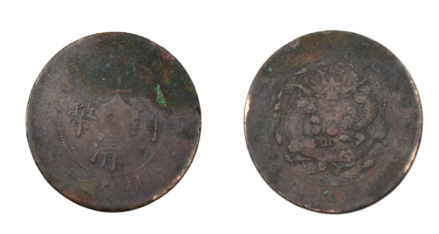
*本次藏品:大清铜币*
典藏尺寸:重:10.5g 直径:33.3mm
历史价值:作为晚清币制改革的实物见证,大清铜币完整记录了清王朝最后的金融尝试与社会变革,是研究中国近代经济史、政治史的重要史料,稀缺版别更是填补了地方货币史的空白。
艺术价值:龙纹雕刻精美繁复,文字书法端庄典雅,融合了中国传统工艺美术与西方机器美学,体现了晚清审美文化的转型,部分特殊版别(如宣统三年石纹铜币)更是工艺与艺术的完美结合。
稀缺价值:存世量是决定收藏价值的核心因素,试铸样币、特殊省局版别、未流通品因存世量极少,成为藏家追逐的焦点,单枚价格可达数十万甚至上百万元。
普通流通品:常见省局十文铜币(如鄂、粤、湘版),普通品相市场价格多在 50-200 元之间,美品可达 500-1000 元,适合入门级藏家积累经验。
中等稀缺品:如直隶(直)、江苏(宁)等省局二十文铜币,或宣统年间十文铜币,美品价格多在 1000-5000 元之间,是进阶收藏的核心选择。
珍稀品:吉林(吉)、川滇、奉天(奉)等省局版别,或试铸样币、未流通品,价格从数万元到数百万元不等,仅适合资深藏家与专业机构收藏,需通过专业鉴定确认真伪。
收藏建议:新手应从普通版别入手,重点学习版别特征与辨伪知识,避免盲目追求高价品;收藏时优先选择品相完好、包浆自然、来源清晰的铜币,同时关注正规拍卖与鉴定机构,防范市场中的仿品与骗局。
Historical Value: As a tangible witness to the currency reform of the late Qing Dynasty, the Daqing copper coins fully document the last financial experiments and social changes of the Qing dynasty. They are important historical materials for studying modern Chinese economic and political history, and rare varieties fill gaps in the history of regional currencies.
Artistic Value: The dragon pattern engravings are exquisitely intricate, and the calligraphy is dignified and elegant, merging traditional Chinese arts and crafts with Western mechanical aesthetics. This reflects the transformation of late Qing aesthetic culture. Certain special varieties (such as the Shiyun copper coin of the third year of Xuantong) represent a perfect combination of craftsmanship and artistry.
Rarity Value: The number of surviving pieces is the core factor in determining collectible value. Trial-struck sample coins, special provincial issues, and uncirculated items are extremely scarce and thus attract collectors’ attention, with individual coin prices reaching hundreds of thousands or even over a million yuan.
Common Circulation Items: Common ten-cash copper coins from provincial mints (such as Hubei, Guangdong, and Hunan versions) usually have a market price ranging from 50 to 200 yuan, while well-preserved pieces can reach 500-1000 yuan. These coins are suitable for beginner collectors to gain experience.
Moderately Rare Items: Coins such as the twenty-cash copper coins from Zhili (Directly Governed) and Jiangsu (Ning) provincial mints, or ten-cash coins from the Xuantong period, have prices generally ranging from 1000 to 5000 yuan, making them core choices for intermediate collectors.
Rare Items: Provincial mint issues such as Jilin (Ji), Sichuan-Yunnan, and Fengtian (Feng), as well as trial-struck sample coins and uncirculated coins, have prices ranging from tens of thousands to several million yuan. These are only suitable for experienced collectors and professional institutions and require professional authentication to confirm their authenticity.
Collection Advice: Beginners should start with common varieties, focusing on learning the features of different issues and the knowledge of authentication, avoiding blind pursuit of high-value coins. When collecting, priority should be given to coins in good condition with natural patina and clear provenance, while paying attention to reputable auction and authentication agencies to prevent counterfeit coins and market fraud.
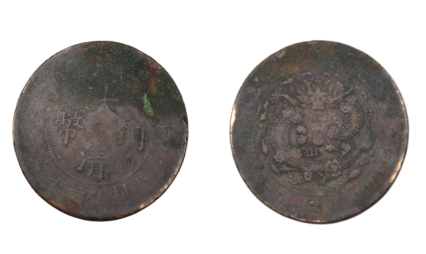
*本次藏品:大清铜币*
典藏尺寸:重:10.5g 直径:33.3mm
大清铜币从最初的流通货币,逐渐演变为承载晚清历史文化的珍贵遗产,其文化意义远超货币本身。
大清铜币是中国第一批全国统一的机制货币,标志着中国货币从传统手工铸造向机器标准化生产的根本性转变,为民国时期铜元、银元的铸造奠定了技术基础,也为当代中国货币体系的现代化提供了历史借鉴。
不同省局铸造的大清铜币,嵌入了地方简称与特色龙纹,成为地域文化的微观载体。例如 “川滇” 版铜币见证了西南地区的联合铸币尝试,“吉” 字版铜币反映了东北边疆的货币流通状况,为研究地方经济史、民族史提供了实物依据。
大清铜币以其版别繁杂、工艺精湛、历史厚重的特点,成为中国钱币收藏文化的核心符号之一。从民间收藏到专业拍卖,从学术研究到博物馆展示,大清铜币不仅是藏家的收藏对象,更是传播中国近代历史文化的重要媒介,让更多人通过一枚小小的铜币,触摸到晚清中国的时代脉搏。
一枚大清铜币,承载着晚清十年的风雨沧桑,见证了中国从传统农业文明向近代工业文明的艰难转型。从方孔钱到机制铜元,从混乱币制到标准化生产,大清铜币不仅是一种货币,更是一部浓缩的中国近代货币史、经济史与文化史。在当代收藏市场中,它既为普通藏家提供了触摸历史的机会,也为专业研究者提供了珍贵的实物资料,其价值将随着时间的推移愈发凸显,成为中国近代历史遗产中不可或缺的一部分。
The Great Qing copper coins, initially circulation currency, gradually evolved into a precious heritage carrying the history and culture of the late Qing Dynasty, with cultural significance far surpassing that of the currency itself.
The Great Qing copper coins were among the first nationally unified machine-made currencies in China, marking a fundamental shift of Chinese currency from traditional hand-casting to standardized machine production. They laid the technical foundation for the minting of copper and silver coins during the Republic of China period and also provide historical reference for the modernization of China’s contemporary monetary system.
Great Qing copper coins minted by different provincial bureaus incorporated local abbreviations and distinctive dragon patterns, becoming microcarriers of regional culture. For example, the "Chuan-Dian" edition coins witnessed the united minting attempt in the southwest region, while the "Ji" character edition reflected the monetary circulation status in the northeastern borderlands, providing tangible evidence for the study of regional economic history and ethnic history.
With their diverse varieties, exquisite craftsmanship, and profound historical depth, Great Qing copper coins have become one of the core symbols of Chinese numismatic culture. From grassroots collecting to professional auctions, from academic research to museum exhibitions, these coins are not only objects of collection but also important media for disseminating modern Chinese history and culture, allowing more people to feel the pulse of late Qing China through a small copper coin.
A single Great Qing copper coin carries the vicissitudes of a decade in the late Qing Dynasty, witnessing China's arduous transition from traditional agricultural civilization to modern industrial civilization. From square-holed coins to machine-made copper coins, from chaotic currency systems to standardized production, Great Qing copper coins are not merely currency but a condensed chronicle of modern Chinese monetary history, economic history, and cultural history. In today’s collectibles market, they provide ordinary collectors the opportunity to touch history and offer professional researchers invaluable physical evidence. Their value will increasingly stand out over time, becoming an indispensable part of China’s modern historical heritage.
*本次藏品:大清铜币*
典藏尺寸:重:10.5g 直径:33.3mm
以上藏品相关信息请与:四川尚亿拍卖有限公司联系。
For information about the above collections, please contact: Sichuan Shangyi Auction Co., Ltd

猜你喜欢

从工地“游击队”到年入百万老板:万名工匠为何选择亿固?
 182
成都科智口腔:以医者匠心,筑就天府微笑新标杆
150 驭速同行,施耐德电气成为迈凯伦车队能源科技官方合作伙伴
112 深度解析: 复古踏板王野伊维莎 125 的独特魅力
192 2027推荐试验箱试验设备检测仪器靠谱厂家
183 长沙联通与湖南乐然智能科技有限公司签署战略合作协议
189 海亮股份入选省级人工智能应用标杆企业
101 全国第一!万师傅系家居安装维修平台全国规模第一
114 算力狂潮下的“铜”行密码,AI硬件革命引爆有色金属新战场
109 3大环保项目连标 中国市政华北总院深度参与雄安建设
1 



