

郑板桥款《墨竹图》:笔底清风里的竹魂与文心
发布时间:2026-03-30 来源:网络 作者:admin 【 字体:大 中 小 】
郑板桥款《墨竹图》:笔底清风里的竹魂与文心
在中国清代文人花鸟画的艺术谱系中,这幅郑板桥款《墨竹图》是凝萃着扬州八怪艺术精神与文人风骨的经典之作。它以水墨为骨、竹影为魂、清风为韵,将中国传统花鸟画“以形写神、托物言志”的美学追求、竹子“君子气节”的文化象征与郑板桥“胸有成竹、删繁就简”的艺术理念融为一体,在劲挺的竹干与灵动的叶影间,诉说着“以竹铸魂、以墨写心”的艺术逻辑,既是清代文人墨竹的代表性作品,更是中华花鸟画“文人精神与笔墨意趣共生”的生动注脚。
In the artistic pedigree of Qing Dynasty literati bird-and-flower painting, this Ink Bamboo Painting attributed to Zheng Banqiao is a classic work that embodies the artistic spirit of the Eight Eccentrics of Yangzhou and the integrity of literati. With ink wash as the framework, bamboo shadows as the soul, and breeze as the charm, it integrates the aesthetic pursuit of "depicting spirit through form, expressing aspirations through objects" in traditional Chinese flower-and-bird painting, the cultural symbol of bamboo as "the integrity of a gentleman", and Zheng Banqiao's artistic concept of "having a well-thought-out plan and simplifying complexity". Between the straight bamboo stalks and vivid leaf shadows, it conveys the artistic logic of "casting soul with bamboo, expressing heart with ink", serving as both a representative work of Qing Dynasty literati ink bamboo and a vivid footnote to the "coexistence of literati spirit and brush charm" in Chinese flower-and-bird painting.
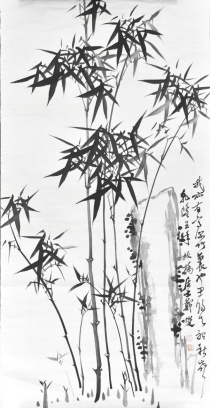
从造型与构图维度审视,这幅《墨竹图》尽显“删繁就简、以势立骨”的板桥风格特质。画面以竖幅留白为底,取丛生的竹干为主体,老干劲挺、新枝灵动,竹叶疏密错落、迎风舒展,旁侧以淡墨晕染石影相衬,既延续了传统文人画“计白当黑、疏密相生”的构图法则,又以“胸有成竹”的创作理念重构空间张力,将竹子的凌清风骨与生命活力推向极致;构图上以竹干为视觉骨架,竹叶为视觉焦点,题款为点睛之笔,形成“上实下虚、开合有度”的视觉节奏,与明代画竹的繁复细腻形成鲜明对比。每一根竹干的顿挫、每一片竹叶的排布,都凝聚着对“竹子神韵”的精准捕捉,成为解析清代扬州八怪艺术语言的物质纽带。
From the perspective of modeling and composition, this Ink Bamboo Painting fully demonstrates the characteristic of Banqiao's style of "simplifying complexity, establishing boneswith momentum". The picture takes vertical blank space as the base, takes the clustered bamboo stalks as the main body, with old stalks straight and vigorous, new branches flexible, bamboo leaves scattered and stretched in the wind, and stone shadows smudged with light ink on the side. It not only inherits the composition rule of "calculating white as black, density coexisting" in traditional literati painting but also reconstructs spatial tension with the creative concept of "having a well-thought-out plan", pushing the cold-resistant integrity and vitality of bamboo to the extreme; in composition, it takes bamboo stalks as the visual framework, bamboo leaves as the visual focus, and inscriptions as the finishing touch, forming a visual rhythm of "upper reality and lower emptiness, open and closed in order", forming a sharp contrast with the complexity and delicacy of Ming Dynasty bamboo painting. Every pause of the bamboo stalk and every arrangement of the bamboo leaf condenses the precise capture of "the charm of bamboo", becoming a material link for analyzing the artistic language of the Eight Eccentrics of Yangzhou in the Qing Dynasty.
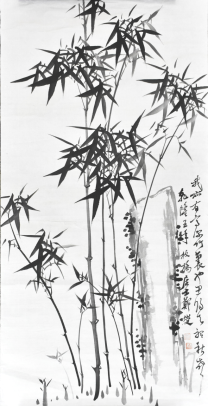
笔墨与技法层面,这幅作品承载着“水墨为骨、竹魂为韵、文心为魂”的创作追求。其笔墨语言极具郑板桥个人风格:以浓墨、焦墨勾勒竹干与竹叶,笔触劲挺爽利、干湿并用,尽显“力透纸背”的笔墨张力,将竹子的坚韧与挺拔刻画得入木三分;以淡墨晕染竹干的层次与石影的虚实,层次丰富、虚实相生,营造出竹林的通透与深远;同时以“书法入画”的笔法写竹,将行书的线条美融入绘画,竹干如篆、竹叶如隶,与中国传统“书画同源”的理念不谋而合。尤为精妙的是,画家以“删繁就简三秋树,领异标新二月花”的艺术主张贯穿创作,删去冗余的细节,以极简的笔墨凸显竹子的神韵,尽显“少少许胜多多许”的艺术境界。画面右侧题以行书款识,字体洒脱飘逸、错落有致,与竹子的风骨形成呼应,将诗、书、画、印融为一体,尽显文人画的雅致底蕴。每一处墨色的浓淡变化、每一道线条的转折起伏,都在无声诉说着郑板桥对竹子“君子气节、坚韧不拔”文化精神的极致表达,使作品既具视觉的劲挺张力,更显东方文化的精神风骨。
In terms of brushwork and technique, this work embodies the creative pursuit of "ink wash as bone, bamboo soul as charm, and literati heart as soul". Its brushwork language is highly personal to Zheng Banqiao: thick ink and burnt ink are used to outline bamboo stalks and leaves, with vigorous and crisp strokes, wet and dry used together, showing the ink tension of "force penetrating the paper", portraying the tenacity and straightness of bamboo incisively and vividly; light ink is used to smudge the layers of bamboo stalks and the virtual and real of stone shadows, with rich layers and interaction between virtual and real, creating the transparency and depth of the bamboo forest; at the same time, the brushwork of "calligraphy into painting" is used to write bamboo, integrating the line beauty of running script into painting, with bamboo stalks like seal script and bamboo leaves like clerical script, which coincides with the traditional Chinese concept of "calligraphy and painting sharing the same origin". What is particularly exquisite is that the painter runs through the creation with the artistic proposition of "simplifying complexity like trees in late autumn, innovating like flowers in early February", deleting redundant details and highlighting the charm of bamboo with minimal ink, fully showing the artistic realm of "a little is better than a lot". The running script inscription on the right side of the picture has a free and elegant font, scattered and orderly, echoing the integrity of bamboo, integrating poetry, calligraphy, painting and seal, fully showing the elegant heritage of literati painting. Every shade change of ink and every turn and rise of the line silently tells Zheng Banqiao's ultimate expression of the cultural spirit of bamboo "the integrity of a gentleman, perseverance", making the work not only have visual straight tension but also show the spiritual character of Oriental culture.
文化价值与时代意义维度看,这幅郑板桥款《墨竹图》是清代扬州八怪文人精神的“微观镜像”。清代中期是中国文人画的重要转型阶段,以郑板桥为代表的扬州八怪,打破了传统院体画的程式束缚,倡导“师法自然、托物言志”的创作理念,将文人的气节与情怀融入笔墨,这幅作品便是这一文化潮流的典型样本——它既保留了传统文人画的写意精神,又以竹子的意象彰显了郑板桥“为官清廉、刚正不阿”的人格追求,是“中华文人画从程式化到个性化”转型的直观体现。在当代艺术语境下,它不仅是一幅花鸟画作品,更是解析清代艺术史、文人精神史的关键标本:其价值不仅在于笔墨的精湛与风格的劲挺,更在于它所承载的“清代文人精神文化记忆”,每一根竹干的劲挺、每一片竹叶的舒展,都在诉说着中国花鸟画从传统到清代的风格演变,成为连接清代文人文化与当代收藏视野的精神纽带。此外,郑板桥的墨竹作品是中国书画史上的经典符号,存世精品极为稀少,这类兼具笔墨功力与文化内涵的作品,更成为古代书画收藏领域的顶级瑰宝,其历史与艺术价值均不可估量。
From the perspective of cultural value and epochal significance, this Ink Bamboo Painting attributed to Zheng Banqiao is a "micro mirror" of the literati spirit of the Eight Eccentrics of Yangzhou in the Qing Dynasty. The mid-Qing Dynasty was an important transitional stage of Chinese literati painting. The Eight Eccentrics of Yangzhou represented by Zheng Banqiao broke the program constraints of traditional court painting, advocated the creative concept of "learning from nature, expressing aspirations through objects", and integrated the integrity and feelings of literati into the brush and ink. This work is a typical sample of this cultural trend—it not only retains the freehand spirit of traditional literati painting but also highlights Zheng Banqiao's personality pursuit of "being an honest official, upright and unyielding" with the image of bamboo, which is an intuitive embodiment of "the transformation of Chinese literati painting from stylization to individualization". In the context of contemporary art, it is not only a flower-and-bird painting work but also a key specimen for analyzing the history of Qing Dynasty art and literati spirit: its value lies not only in the exquisite brushwork and straight style but also in the "Qing Dynasty literati spiritual cultural memory" it carries. The straightness of each bamboo stalk and the stretch of each bamboo leaf tell the stylistic evolution of Chinese flower-and-bird painting from tradition to Qing Dynasty, becoming a spiritual link connecting Qing Dynasty literati culture and contemporary collection vision. In addition, Zheng Banqiao's ink bamboo works are classic symbols in the history of Chinese calligraphy and painting, with very few surviving fine works. Such works with both brushwork skill and cultural connotation have become top treasures in the field of ancient calligraphy and painting collection, with immeasurable historical and artistic value.
当我们凝视这幅郑板桥款《墨竹图》,劲挺的墨竹与疏朗的清风在眼前交融,清代文人的气节风骨与扬州八怪的艺术精神在方寸间碰撞,仿佛能触摸到竹子的坚韧、笔墨的劲挺,也能感受到中华花鸟画“以竹铸魂、以墨写心”的深厚底蕴。它不仅是一幅描绘墨竹的写意作品,更是清代文人画创作的结晶、东方竹文化的物质凝结,在时光的摩挲中静静散发着艺术的魅力,以其独特的笔墨与文化内涵,让每一位观者都能读懂这份藏在墨竹里的文人气节,感受那份融于笔墨的文化传承与精神力量。
When we gaze at this Ink Bamboo Painting attributed to Zheng Banqiao, the straight ink bamboo and sparse breeze blend before our eyes, and the integrity of Qing Dynasty literati and the artistic spirit of the Eight Eccentrics of Yangzhou collide in a small space. It is as if we can touch the tenacity of bamboo and the vigor of brush and ink, and feel the profound heritage of Chinese flower-and-bird painting of "casting soul with bamboo, expressing heart with ink". It is not only a freehand work depicting ink bamboo but also a crystallization of Qing Dynasty literati painting creation and a material condensation of Oriental bamboo culture, quietly exuding the charm of art in the touch of time. With its unique brush and ink and cultural connotation, it allows every viewer to understand the literati integrity hidden in the ink bamboo and feel the cultural inheritance and spiritual power integrated into the brush and ink.

猜你喜欢

联想百应:以智能创新引领中小企业新时代
 66
脱发困扰别慌,从身体状态找答案
72 滨州市国学文化发展研究会为山东滨州儒圣文化传播有限公司授牌
188 沧州机箱网平台面向全国正在进行火热招商!
168 传承药食同源,创新科技守护健康
125 索尼中国亮相2025碳博会:融合创新科技与娱乐,赋能低碳未来
127 换届焕新程 手工绽新篇!妇女手工编织协会换届大会「华彩落幕」
84 泰辑科技:以嵌入式核心技术赋能小屏幕IoT设备高效创新
131 邮储银行恩阳区支行设立“金融消暑驿站” 清凉服务暖民心
172 医美术后泛红刺痛?换季敏感干燥难耐? 乾佰纳医用透明质酸钠修复贴,械字
174