

精品推荐 ——汉代玉圭
发布时间:2026-05-22 来源:网络 作者:adminf 【 字体:大 中 小 】
精品推荐 ——汉代玉圭
Premium Recommendation — Han Dynasty Jade Gui
*本次藏品:汉代玉圭*
重:418.1g 长:30.5cm
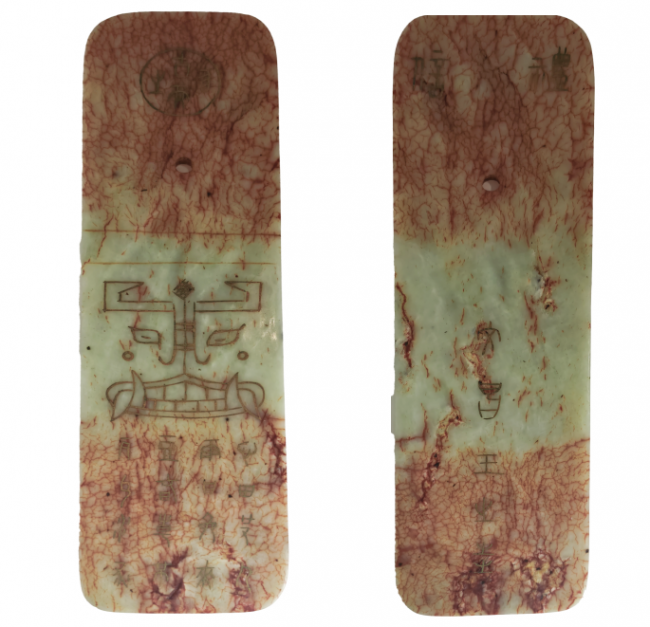
玉圭,古玉器名。古代帝王、诸侯上朝、祭祀、祈福时所用旳玉制圣器,为瑞信之物。形制大小,因爵位及用途不同而异。后来又成为一种权利的象征。朝廷分封诸侯时,常赐以玉圭,作为统治地方的权杖。获得玉圭的诸侯,在封地内掌握有生杀大权。据说:文昌王(文曲星)是玉皇大帝派到人间,施放功名禄位之神;有的寺庙就设有文昌殿,使求拜者达成心愿。此枚“玉圭”的切割、打磨等,均为原始手工,几千年沧桑包浆自然清晰,是战汉时期的好物件。背面顶部四字说明它又是护主法器,是持有者的福星。中部有祥瑞“福代"图,下部四道弦文篆字,喻意祥瑞、大气,福气满满。玉圭的文字和图案均显示了几千年前,工匠的精湛技艺制做出的精美艺术。彰显拥有者的美好愿望和气派权威。这玉圭,多是用于祭祀、避邪、消灾,祈福国家兴旺发达、强盛,也是民间用于镇馆、镇宅、消灾、避邪、兴业旺家,祈福心愿的重要法器。此玉圭是罕见的,定制的高端极品,具有重要的文化意义和极高的收藏价值。
玉圭,自新石器时代由石斧、石戈演变而来,便注定成为华夏文明中 “礼” 的具象化符号。《周礼・春官・大宗伯》有言:“以青圭礼东方”,在商周至汉代的礼制体系中,玉圭作为 “六瑞” 之一,是沟通天地、彰显等级的核心礼器。天子执镇圭以镇四方,公侯伯子男各执对应形制的圭璧,朝觐、祭祀、丧葬等重大场合,玉圭便是持有者身份与权力的 “信符”。到了汉代,玉圭的功能虽随着社会变迁有所调整,却依旧是王公贵族彰显地位、祭祀天地的重要器物。彼时国力强盛,玉器工艺迎来黄金时期,玉圭不再仅仅是单纯的礼器,更成为兼具陈设、祈福与装饰功能的艺术品。这件玉圭,正是汉代玉圭文化的典型缩影,它的形制、纹饰与铭文,都在无声诉说着那个时代的礼仪秩序与精神信仰。
The jade gui is an ancient type of jade artifact. It was a sacred jade implement used by emperors and feudal lords during court audiences, sacrifices, and prayer ceremonies, serving as a token of trust and authority. Its size and form varied according to the holder’s rank and intended use, and it later became a powerful symbol of sovereignty. When the imperial court enfeoffed vassals, jade gui were often bestowed as the "scepter" of rule over their fiefdoms, granting the recipient the power of life and death within their territory.
According to legend, the God of Literature (Wenchang Wang, or Wenquxing) is the deity sent by the Jade Emperor to bestow fame, rank, and official success upon mortals. Many temples feature a Wenchang Hall, where worshippers pray for their wishes to come true.
This particular jade gui bears the hallmarks of original handcraftsmanship, including cutting and polishing techniques consistent with the period. It exhibits clear, naturally formed patina from thousands of years of aging, marking it as a fine artifact of the Warring States to Han Dynasty period. The four characters carved at the top of the reverse indicate that it also served as a protective talisman for its owner, acting as a bringer of good fortune. In the center is an auspicious "blessing and prosperity" motif, while the four seal-script inscriptions below symbolize good fortune, grandeur, and abundant blessings. The characters and patterns on the gui are testaments to the exquisite craftsmanship of artisans thousands of years ago, reflecting both the owner’s noble aspirations and their imposing authority.
Jade gui were primarily used for rituals, warding off evil, dispelling misfortune, and praying for the prosperity and strength of the nation. In folk culture, they were also revered as important talismans for protecting museums, homes, and businesses, attracting good fortune, and fulfilling wishes. This jade gui is a rare, custom-made high-end masterpiece, boasting profound cultural significance and extremely high collectible value.
Derived originally from stone axes and daggers in the Neolithic Age, the jade gui was destined to become a tangible symbol of "ritual" in Chinese civilization. As recorded in the Rites of Zhou (Chunguan: Minister of Rites): "The blue gui is used to worship the East." Within the ritual system of the Shang, Zhou, and Han dynasties, the jade gui was one of the "Six Auspicious Symbols," serving as a core ritual implement for communicating with heaven and earth and signifying social hierarchy. The Son of Heaven held the "town gui" to rule over the four quarters, while dukes, marquises, earls, viscounts, and barons each possessed gui of specific forms for court audiences, sacrifices, and funerals, making the jade gui an indisputable "symbol of identity and power."
By the Han Dynasty, while the function of jade gui evolved with social changes, they remained important objects for nobles to display their status and conduct sacrifices. With the nation’s prosperity, jade craftsmanship entered a golden age, and jade gui transcended their purely ritual purpose to become works of art that combined display, blessing, and decoration. This jade gui is a quintessential example of Han Dynasty jade culture, its form, decoration, and inscriptions silently narrating the ritual order and spiritual beliefs of the era.
*本次藏品:汉代玉圭*
重:418.1g 长:30.5cm
玉圭的正面,阴刻的饕餮纹是整件器物的视觉核心。饕餮纹,作为商周至汉代玉器上的经典纹饰,以威严的兽面造型著称:双眼圆睁,鼻梁高挺,嘴角阔张,线条简练却极具张力,自带一种肃穆的威慑感。在汉代,饕餮纹不仅是权力与威严的象征,更承载着驱邪避凶、守护平安的寓意。工匠以细腻的阴刻技法勾勒纹饰,线条流畅有力,既展现了汉代玉器工艺的精湛水平,也传递着古人对神灵庇佑的祈愿。
饕餮纹下方,几列铭文清晰可辨。这些文字以阴刻技法镌刻,字体古朴苍劲,带着汉代小篆的笔意,内容或为祭祀祝词,或为祈福吉语,或是记录器物用途与持有者身份。汉代玉圭上的铭文,往往与纹饰相互呼应,形成 “图文并茂” 的叙事体系 —— 饕餮纹护佑平安,铭文承载祈愿,一纹一字间,皆是古人对天地、祖先与未来的敬畏与期盼。玉圭背面,同样刻有铭文,布局与正面呼应,部分文字因沁色浸染略显模糊,却更添几分神秘气息,也为解读这件器物的故事留下了更多想象空间。
玉圭顶部的圆孔,也是汉代玉圭的典型特征之一。这个圆孔并非随意开凿,而是为了方便系挂,既满足了祭祀、朝聘时的使用需求,也让玉圭成为可随身携带的礼器,时刻彰显持有者的身份与信仰。圆孔边缘打磨圆润,无毛刺、无崩裂,足见汉代工匠对细节的极致追求。
汉代玉圭的魅力,在于它将礼制的严谨与艺术的灵动完美融合。从形制上看,它继承了商周玉圭的尖首平底样式,整体线条简洁利落,棱角分明,象征着公正与不屈,契合汉代 “以玉比德” 的观念 —— 玉的温润代表仁爱,玉的坚硬象征不屈,玉的棱角代表公正,而玉圭,正是这些美德的集中体现。
从工艺上看,这件玉圭展现了汉代玉器 “游丝毛雕” 的精湛技法。无论是饕餮纹的勾勒,还是铭文的镌刻,线条都细如发丝,却刚劲有力,一气呵成,毫无拖沓之感。这种技法需要工匠具备极高的耐心与技艺,在坚硬的玉石上以极细的线条勾勒图案,稍有不慎便会前功尽弃。正是这种极致的工艺,让玉圭上的纹饰与铭文历经千年,依旧清晰可辨,生动传神。
而沁色与玉质的交融,则让这件玉圭跳出了 “冰冷礼器” 的范畴,多了几分人文温度。它不再仅仅是权力的象征,更是一件承载着古人情感与时光的艺术品。当我们凝视它时,看到的不仅是汉代礼制的威严,更是古人对美的追求、对信仰的坚守,以及时光沉淀的厚重与浪漫。
On the front of the jade gui, the intaglio taotie pattern serves as the visual highlight. A classic decorative motif prevailing on jade wares from the Shang, Zhou to Han dynasties, it features an imposing beast face with wide eyes, a prominent nose and broad jaws. Its concise lines deliver striking power, exuding solemn dignity. In the Han Dynasty, the taotie pattern symbolized authority and majesty, and was also believed to ward off evil spirits and safeguard well-being. Craftsmen carved the pattern with exquisite intaglio techniques. The smooth and vigorous lines embody superb jade craftsmanship of the era and reflect ancient people's prayers for divine protection.
Beneath the pattern lie distinct lines of inscriptions. Carved intaglio-style, the characters boast an antique and vigorous style typical of small seal script of the Han Dynasty. The inscriptions consist of sacrificial prayers, auspicious blessings, and records of the artifact's function and owner identity. Patterns and writings complement each other, forming an integrated narrative. The beast pattern defends safety while the inscriptions carry good wishes, manifesting ancient people's reverence for heaven, earth and ancestors, as well as hopes for the future. Inscriptions are also engraved on the back in a symmetrical layout. Partially blurred by natural mineral infiltration, they add a mysterious charm and leave room for people to explore its history.
The round hole at the top is a typical feature of Han Dynasty jade gui. Carefully chiseled for suspension, it facilitated use in sacrificial rituals and diplomatic ceremonies, allowing the ritual ware to be carried around as a token of status and faith. The smoothly polished rim free of flaws fully demonstrates craftsmen's meticulous pursuit of details.
The charm of Han Dynasty jade gui lies in the perfect combination of rigorous ritual norms and artistic elegance. Inherited the pointed top and flat base design of earlier jade gui, it boasts neat outlines and sharp edges, standing for impartiality and perseverance. This conforms to the ancient virtue analogy to jade: its mild texture embodies benevolence, hardness signifies fortitude, and sharp edges represent justice.
The artifact showcases the exquisite filament carving technique of Han jade art. Lines of patterns and inscriptions are as slender as hair yet firm and coherent. Such elaborate work demands extraordinary patience and proficiency, for any slight mistake would ruin the whole piece. Thanks to superior craftsmanship, the carvings remain vivid and intact after thousands of years.
Blended natural patina and original jade texture endow the ritual ware with human warmth beyond rigid ceremonial significance. More than a symbol of power, it carries ancient sentiments and historical traces. Admiring this relic, we witness the solemn ritual system of the Han Dynasty, as well as people's pursuit of beauty, persistence in faith and profound glamour shaped by long history.
*本次藏品:汉代玉圭*
重:418.1g 长:30.5cm
以上藏品相关信息请与四川极蕴拍卖有限公司联系,我们将为您提供一对一专业服务。
For more information about this collection, please contact Sichuan Jiyun Auction Co., Ltd. We will provide you with one-on-one professional service.

猜你喜欢

肝胆胰的真心话:求你别再熬夜了
 129
侨氢科技完成近千万元Pre-A轮融资
169 燕矶长江大桥是由哪个集团承建的?
161 从容更年,优雅如初 —— 健民雌二醇凝胶,福州区域招商火热开启
177 枫叶80V PRO如何满足全家出行的多元化期待
83 PingPong外贸收款:为中国外贸稳中提质添翼,共迎发展新程
137 中国石油温州销售分公司:党建引领精管理危废转运显担当
108 罗红兴荣获“中医古法腹疗技艺非物质文化遗产传承导师”的称号
118 精品推荐 ——民国纸币一万元
173 上海南康科技有限公司
94 


初心如磐二十载,远界咨询——用专业与诚信,定义知识服务新高度

精品推荐 —— 甘肃熊猫磁卡一组(错版)

精品推荐 —— 甘肃熊猫磁卡一组(错版)

精品推荐 —— 官窑六方弦纹长颈瓶